Affordable Deck Builder Services: Quality Solutions for Every Budget
Affordable deck builder services offer viable options for homeowners seeking to improve their exterior areas on a budget. These builders prioritize efficiency and quality, using cost-effective materials to construct sturdy frameworks. That said, recognizing the intricacies of deck installation and the variables impacting pricing is important. When homeowners consider their choices, they might discover that the proper selections can result in both aesthetics and practicality in their outdoor living spaces. What factors should they evaluate next?
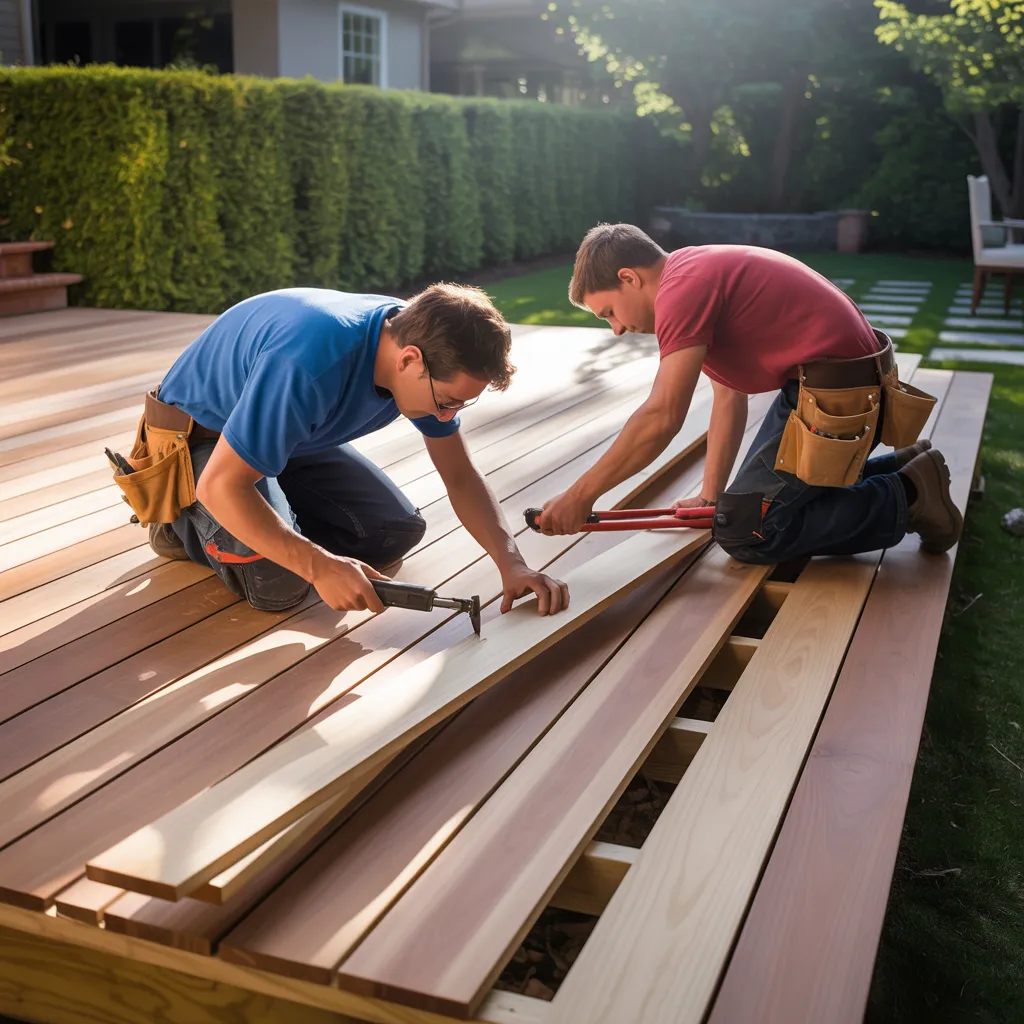
Why Affordable Deck Builders Are the Solution to High Costs
For many homeowners who dream of a gorgeous outdoor deck, the elevated expenses tied to conventional construction methods can frequently pose a challenge. Budget-friendly deck builders offer a practical answer to this challenge, offering quality craftsmanship without the hefty price tag. These professionals utilize cost-effective materials and streamlined building techniques, empowering them to achieve remarkable results while staying within budgetary boundaries.
Understanding the Cost Factors in Deck Building
In the process of deck construction, the selection of materials plays a major role in determining overall costs. Various options, from cost-effective composite options to high-end hardwood materials, can determine the overall budget of the project. Additionally, knowing the labor expenses involved is important, as they differ based on the intricacy of the design and the skill level required.
Impact of Material Selection
Picking the correct materials is vital in defining the total expense of constructing a deck. Different materials provide varying price ranges and durability, impacting both initial investment and long-term maintenance. To illustrate, pressure-treated lumber is typically less expensive initially but may need frequent maintenance, while composite materials, though pricier initially, tend to last longer with minimal maintenance. Furthermore, selecting the right railing, deck thickness, and surface finishes can significantly impact expenses. Luxury hardwood options deliver a beautiful appearance yet come at a greater cost. Ultimately, understanding the balance between quality, durability, and budget allows homeowners to make informed decisions, ensuring that their deck meets both functional and financial requirements. Choosing the right materials is key to creating a cost-effective yet long-lasting outdoor area.
Labor Expenses Breakdown
Labor expenses make up a substantial share of the total cost in deck construction. Such expenses commonly cover several elements, including the expertise and proficiency of the builders engaged. More experienced professionals may quote higher prices due to their proficiency, which can lead to a more streamlined and exceptional outcome. Additionally, the sophistication of the design of the deck can affect labor costs; intricate designs require more effort and expertise. Geographic location also has an impact, as labor rates vary widely across diverse locations. In addition, the timeline of the project affects expenses; prolonged schedules may cause increased labor costs. Being aware of these elements helps homeowners plan more effectively when budgeting for their deck installation projects.
Critical Qualities to Evaluate in Deck Building Services
When looking for deck building services, recognizing the fundamental traits of a trustworthy contractor is crucial for achieving a positive outcome. For starters, experience is of paramount importance; seasoned contractors offer valuable knowledge that helps avoid frequent mistakes. Furthermore, clear communication skills are vital, permitting clients to share their expectations and get regular progress reports. Moreover, a reputable contractor should offer a portfolio showcasing previous work, reflecting their skill level and creative design abilities.
Furthermore, confirming insurance and licensing protects homeowners from potential liabilities. Transparency in pricing is also important; a reputable contractor delivers transparent estimates and discloses any additional charges beforehand. Finally, favorable customer reviews and testimonials demonstrate a contractor's dependability and work quality. By emphasizing these key attributes, homeowners can make informed decisions, ensuring that their deck-building project is executed efficiently and meets their expectations.
Choose Cost-Effective Materials for Your Deck
When selecting materials for a deck, homeowners often face the choice between composite and traditional wood materials. Recognizing the pros and cons of each can lead to more economical decisions. Considering different affordable options is crucial for creating a attractive and sturdy outdoor space without overspending.
Composite vs. Wood Alternatives
Picking the right options for a deck can considerably affect both its durability and overall cost. Composite lumber, made from a blend of wood fibers and plastic, provides a minimal upkeep alternative to traditional wood. It withstands rot, splintering, and insect damage, making it an appealing option for many homeowners. However, composite products can be more expensive upfront.
On the other hand, timber choices, such as treated lumber or cedar wood, deliver a traditional look and are often more budget-friendly at first. Yet, they generally require more maintenance, including staining and sealing, to preserve their condition over time. Ultimately, the choice between wood and composite options rests on a homeowner's financial considerations, preferred aesthetic, and readiness to commit time to maintenance.
Cost-Effective Material Options
Identifying cost-effective material options for a deck can significantly influence both upfront expenses and lasting contentment. Property owners exploring affordable choices often look into pressure-treated wood, which is economical and delivers resilience with adequate upkeep. Another practical option is composite decking, which, while a bit costlier at the outset, offers lasting performance and reduced maintenance needs. Vinyl decking is also becoming increasingly sought after due to its ability to withstand weather and pests, making it a sensible, easy-care choice. Additionally, reclaimed wood can be both cost-effective and sustainable, offering unique character to a deck. By strategically picking these materials, homeowners can align visual appeal with affordability, ensuring a fulfilling outdoor retreat that stands the test of time while remaining budget-friendly.
Customization vs. Pre-Made Designs: Which One Matches Your Budget?
In what way can homeowners decide if customization or standard designs are most appropriate for their budget? This determination typically relies on personal tastes and budgetary restrictions. Standard designs typically offer cost-effective solutions, as they utilize pre-existing templates and materials. Homeowners may pick from an array of tried-and-tested styles, resulting in speedier installation and decreased labor costs.
On the other hand, customization provides a unique appeal, matching the deck to individual preferences and particular requirements. However, this often comes at a premium, as it requires specialized materials and detailed craftsmanship that can notably increase costs.
To arrive at a well-informed decision, homeowners should examine their financial situation, considering both upfront costs and long-term value. Determining the balance between visual appeal and functional value can result in a well-rounded choice. At the core of the decision, grasping the differences between pre-built and tailored selections is essential for achieving a deck that meets both desires and financial realities.
Locating Reliable Deck Builders Near You
When looking for reputable deck contractors in a local area, many homeowners question what important factors ensure quality and reliability. One vital aspect is verifying credentials; reputable builders typically hold the required licenses and insurance, offering peace of mind against potential liabilities. Feedback and testimonials from past clients can also provide valuable insights into a builder's work ethic and craftsmanship.
Additionally, a clear communication style is fundamental. Dependable builders attentively address client needs and describe the project requirements in detail. Asking for referrals from friends or family members can also lead to credible options, as individual accounts commonly demonstrate a builder's level of expertise.
To conclude, requesting several quotes can help homeowners compare services and gauge professionalism. By considering these aspects, homeowners can successfully choose a deck builder who satisfies their needs and delivers a successful project completion.
Financing Your Deck Project
Budgeting for a deck project requires careful planning to guarantee that expenses match expectations and financial means. Property owners should first define their complete budget, factoring in both material and labor expenses. Researching various decking materials, such as wood, composite, or vinyl, will be useful in determining budget-friendly choices that match individual preferences and future plans.
In addition, collecting several estimates from local decking professionals can provide insight into building costs and aid in locating reputable builders. Home improvement planners should also account for supplementary fees, including permits, architectural fees, and any necessary landscaping updates.
Reserving a contingency fund for unexpected costs is essential, as unforeseen problems can occur during construction. By thoroughly assessing these elements, homeowners can develop a realistic budget that allows them to achieve their dream deck without budget constraints, guaranteeing a smooth project from start to finish.
Tips for Maintaining Your Deck to Maximize Value
Regular upkeep is crucial for maintaining the value of a deck once the investment has been completed. Routine cleaning is essential; sweeping away debris and washing the surface valuable resource helps prevent mold and stains. Property owners ought to examine the deck for indications of deterioration, such as warped boards or oxidized fasteners, tackling these concerns immediately to circumvent costly restorations. Administering a protective sealant every couple of years shields the wood from water and sun damage, extending its lifespan.
Moreover, proper drainage around the deck helps prevent water buildup, which can cause wood rot. Throughout the winter season, clearing snow and ice is important to reduce stress on the structure. Lastly, placing furniture pads can reduce scratches and damage from outdoor furniture. By adhering to these guidelines, homeowners can maintain their decks effectively, guaranteeing both visual appeal and long-term financial value are preserved.

Questions We Often Receive
Which Deck Types Are the Most Cost-Effective to Build?
Timber decks, particularly treated lumber, are often the most affordable choice. Vinyl and composite materials can be more expensive at first but can reduce expenses over time owing to reduced upkeep needs and enhanced resilience.
What Is the Average Duration of a Deck Building Project?
A common deck building endeavor usually spans one to three weeks, depending on factors such as materials, size, and weather conditions. Careful planning and experienced labor can help expedite the process considerably.
Are Building Permits Needed for Deck Construction?
Authorization is typically needed for deck installation, subject to local regulations. Homeowners are encouraged to check with their city or county office to determine specific requirements, securing proper approval and preventing potential complications during the course of construction.
Can I Build My Own Deck to Save Money?
Absolutely, one can build their own deck to cut expenses, provided they have the required skills and knowledge. Nevertheless, they must understand applicable local rules, establish the safety of the structure, and keep in mind possible ongoing maintenance expenses.
What Types of Warranties Do Deck Builders Usually Provide?
Deck builders typically offer warranties covering both labor and materials, usually ranging from 1 to 10 years. Some may also provide extended warranties for specific products, ensuring protection against defects and enhancing customer confidence in their services.